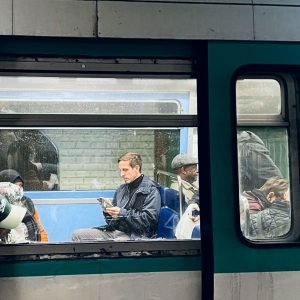




Michael Jakob teaches Theory and History of Landscape at Politecnico di Milano and the Accademia di Architettura in Mendrisio. He publishes widely on landscape-related issues, aesthetics, the history of vertigo, and “ways of seeing”. His books include The Swiss Touch in Landscape Architecture, The Bench in the Garden, and Faux Mountains. We caught him in Mendrisio to discuss the profession, aesthetics, climate change, art, and the significance of theory in its development.
Zaš Brezar: To start, could you give a brief history of your interests and how you entered the field of landscape?
Michael Jakob: I studied literature — Comparative Literature, German and French Literature — and at the same time Philosophy. My interest in landscape therefore stems from philosophy and literature. However, quite early on, when I started teaching more than forty years ago, I was extremely interested in the representation of nature. My first courses were hence on bucolic or pastoral literature — Theocritus, Virgil, Dante, Petrarch, and so on. My main activities were in the field of comparative literature, which gave me the possibility to work on the most diverse subjects.
I came to landscape by chance, not by following any plan. The Center for Modern Art in Geneva invited me to give a course of my choice, and when they asked me what I intended to do, I suggested “landscape.” The basis of the course I gave was entirely autodidactic; I began working on landscape in painting, read the classical texts by Kenneth Clark and Gombrich, and from there, one thing led to another. During the last twenty years I’ve always worked in parallel: comparative literature and philosophy on one side, and aesthetics and theory of landscape on the other.
Since you draw comparisons with art constantly, how would you describe the relation between recent attitudes in landscape architecture—its shift to ecology and sustainability—and art?
Art is always ahead of its time. Artists discover things—often not fully consciously, or without knowing it at all—that others will recognize only a decade or several decades later. When art is truly innovative, it is frequently not understood as such because it is simply too new.
Landscape architecture has to face a central problem: it is a very recent, “young” discipline and does not have a real consciousness of its own doing. Even well-known people in the field, fully recognized by their peers, when asked what is landscape architecture?, can only very rarely define their own field. That’s quite strange, because if you ask a painter, she or he will tell you: I’m a painter. I can do this, and I cannot do that, and these artists of the past were essential for me, etc. If you’re an architect, it is the same — you can immediately name who influenced you, and you have some kind of knowledge of the history of the discipline. In the field of landscape architecture, even key protagonists act without being able to place their works on a timeline or identify a curriculum.
I have always been surprised by this lack of theory — and of history as well. Even prominent colleagues of ours can hardly name five masterworks essential for them. Sometimes, of course, they cite their own works. This means that some professionals work in the field without fully knowing what they do when they claim to practice “landscape architecture.” Of course, already Olmsted was unhappy with the label “landscape architecture,” but after 200 years, someone in the profession should be able to identify at least the possible guidelines and fundamental concepts of the discipline. This weakness also explains why so many landscape architects have an inferiority complex in regard to architects, which is wrong, because their projects can easily compete with those of architects or urbanists.
In recent years, landscape architecture has turned toward the material, the ecological, the infrastructural. Do you think this is enough, or should the discipline also delve deeper into philosophy? How do you see this shift changing the very foundation of the field?
The shift to ecology is part of a trend I sometimes like to call the new “religion of nature.” And rightly so: today, caring for the earth is no luxury—it is a necessity.
We should never forget that both “landscape” and “landscape architecture” are historical and specific, not universal phenomena. Landscape, as we understand it today, is a very particular European invention of the 15th century; landscape perception, or lived landscape — the possibility to see landscape in situ — came even later, in the 18th century. It was promoted by a specific social class and its ideas concerning nature, art, taste, and private property. As W. J. T. Mitchell and many others have stressed: seeing the world as landscape is not natural, it is cultural.
For two centuries, this peculiar “way of seeing” was often mistaken for nature itself. In reality, we learned to recognize beautiful, sublime, picturesque, and romantic landscapes as if they were simply there, waiting for us. Today, faced with the climate crisis, we must recognize that our aesthetic interest in nature is in fact a partial—and European—way of seeing and framing visual reality, imposed upon the world.
We are at a critical and complex moment. For the last two or three centuries, landscape was primarily about aesthetics: classical beauty, picturesque beauty, even the strange beauty of wastelands—the aesthetics of ugliness, if you like. But if we take the ecological crisis seriously, then our way of interpreting the world was a luxury. We stared at nature for too long, believing that everything would remain as it was. Now it is too late—we cannot simply look and contemplate; we must act. Hence, aesthetics becomes secondary, and perhaps even irrelevant.
You can already see this shift happening. Some landscape architects openly admit that they have decided not to intervene on a site, that they are more interested today in soil, in what is not visible, or in dynamic processes. Aesthetics is no longer the key, or the only answer, for defining our relationship with nature. It will not disappear entirely—it will survive—but it is no longer at the center. For a discipline built upon the aesthetic tradition of landscape, this is a profound shift.
Landscape is, after all, tied to human perception — to the body, the eye, the brain, and then to interpretation. Even in the context of ecological crisis, isn’t our entanglement with the environment still mediated through aesthetic experience? And by aesthetics I don’t mean the binary of beauty and ugliness, but the wider field of the sensible — of what can be perceived, felt, and made meaningful.
We are marked by the primacy of view, by the primarily scopic access to what we call reality. The world is what we see and what we grasp with our eyes. With the ecological crisis, Bertolt Brecht’s idea comes true: first you have to eat, to find food, and only afterwards come morality, beauty, and the arts, as he said (I use my own words for his citation: Erst kommt das Fressen, dann die Moral). Our bodies need food in order to survive. Once our survival is at stake, simply contemplating landscapes for our immediate pleasure is something we can no longer afford. A certain idea of beauty has been at the core of much landscape architecture and is still very much around, even if it sometimes takes the form of postmodern, that is, bizarre beauty.
Landscape is unilaterally tied to view. I do not agree with the sometimes naively used concept of acoustic landscapes or soundscapes. Hearing does not constitute landscape. Landscape is sight—a specific way of framing the world born in Europe, tied to visual control, to one-point perspective, to Brunelleschi, to cartography, to the grid, etc. This kind of rational control is now in crisis because the thing to be “controlled” has become the entire earth. We need a different consciousness.
You also dive into art as an observer. Over the last century, contemporary art has largely let go of traditional aesthetic experience. Does landscape architecture need a similar shift, or should its material aspects take precedence now?
What we need is more criticism within landscape architecture—and within our own use of the word landscape. We must define our operative terms with precision; we cannot keep going with things half-defined.
As for the relation between landscape architecture and art, I would say that many interesting projects have profited from the dialogue with artists. Take Günther Vogt, for instance, and his collaboration with Dan Graham.
… or Olafur Eliasson …
I am more sceptical about Olafur Eliasson. I see in him the typical product of our postmodern society. Eliasson is less an artist than a brand, with a large group of very talented people working for him and producing his art. It’s a factory—but not in the Warholian sense. With him, we are in a certain way beyond the artist, which is very telling about the state of contemporary art.
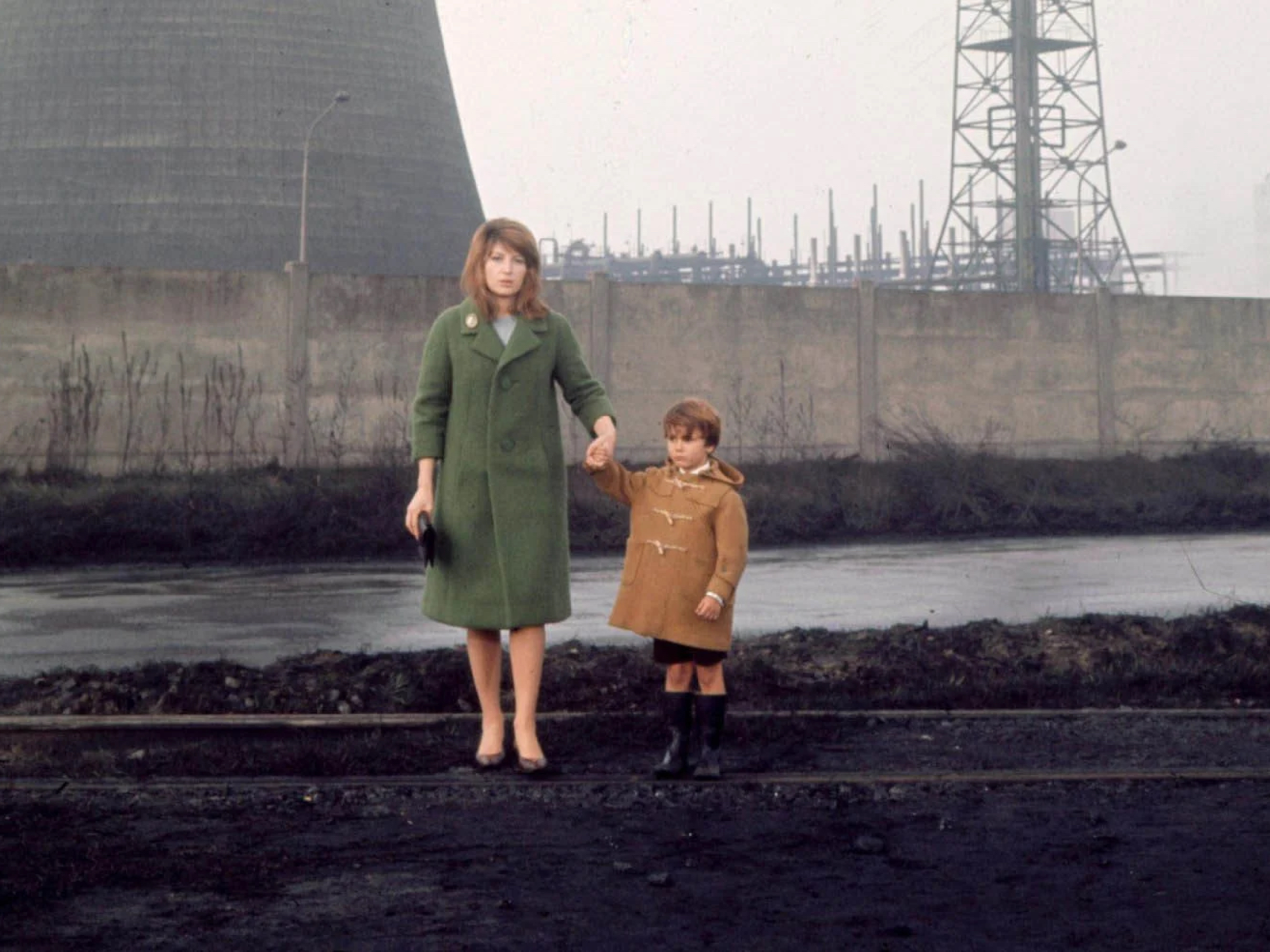
Art—art that matters—is always contemporary, and it always has something to teach us. Tarkovsky, Antonioni, the poets André du Bouchet and Andrea Zanzotto—they all clearly anticipated things to come. When Il deserto rosso came out, people walked out of the cinema because they did not understand a thing; the language of the film was too new for them. But today we understand perfectly one of the first scenes of Red Desert, when Giuliana, the protagonist, opens her eyes and discovers that everything around her is full of waste, of toxic materials and debris. It is terrible and, at the same time, beautiful in its own way—a landscape marked by the aesthetics of ugliness. Antonioni had already shown, back in the 1960s, the hidden implications of the capitalist system and its misuse of natural resources, but it took decades for people to recognize the value of what he revealed in a single sequence.
So yes, we can learn from art—from music, from dance, from poetry. But before looking for ways of establishing a dialogue between landscape architecture and the arts, the discipline must first (and I know I’m repeating myself) dig into its own ground. Think of the typical presentations in our field—at IFLA, at ECLAS, in schools. They almost always begin with a personal mood board, add a few references, and then move on to a sequence of projects. Hardly ever do landscape architects enter the domain of theoretical reflection. By theory, I don’t mean elaborate philosophical constructions, but simply the constant effort to reflect on what one is doing.
Today, there is another difficulty we must face. The last twenty-five years have been an incredibly positive period—probably the best ever for those practising landscape architecture. But the fact that, under climate change, we can no longer afford the luxury of making decisions guided solely by aesthetic criteria means that landscape architecture could easily become irrelevant, or reduced to a sub-product of an older and much more powerful tradition: the engineering of the world.
Architects and engineers can now argue: You landscapers helped make the world, or at least the spaces between buildings—sometimes even large segments of the city—more beautiful, more accessible. Thank you. But now we have to get serious again and intervene massively to save the planet. We will build new cities, since many of the old ones will be flooded. We will move earth, construct the landscapes of the future.
Tracing your interests, which culminated in publications and exhibitions, what was the logic behind this path? How do you move from one to the other?
I consider most of the things I do to be related to each other. Plus, I do not mind doing many things at the same time. It is important to be free, even when you work inside a specific field, to jump from one topic to another, and then to try to establish links, to imagine possible relations.
The fact that I worked for quite a while in radio and television was very helpful. I had the chance to interview a lot of fascinating personalities, from Arthur Miller to Emmanuel Lévinas, from Emilio Segrè to Milton Friedman, from Richard Rorty to Leonardo Sciascia, and so on. In the university, these activities were considered superficial; some colleagues said, “He is lost for science, he is simply a journalist.” That’s really not the case, because if you have the chance to meet and to interview people like Ernst Gombrich, Pierre Vidal-Naquet, Jean Starobinski, or George Steiner (I was his assistant for six years), you sometimes learn more in two hours than by reading an entire work of these authors.
Plus, I don’t believe in a strict divide between high and low culture.
Coming back to my work, I would say that a leitmotif has been, and still is, the question of visibility. How are our “ways of seeing” constructed? What is the role of culture, of ideologies, in the constitution of what we call visual reality? Do we learn to see the world by applying concepts to certain objects? How strongly does my cultural background influence me? etc.
Another element I have been interested in since I began my academic career is nature. My very first course dealt with pastoral literature—the only literary genre in Antiquity where nature is really relevant. Nature is never a theme in the Bible—it’s just a setting. In classical tragedy, too, it is only a background. But in bucolic poetry, it matters because shepherds spend their entire lives with their animals, moving from one rural place to another.
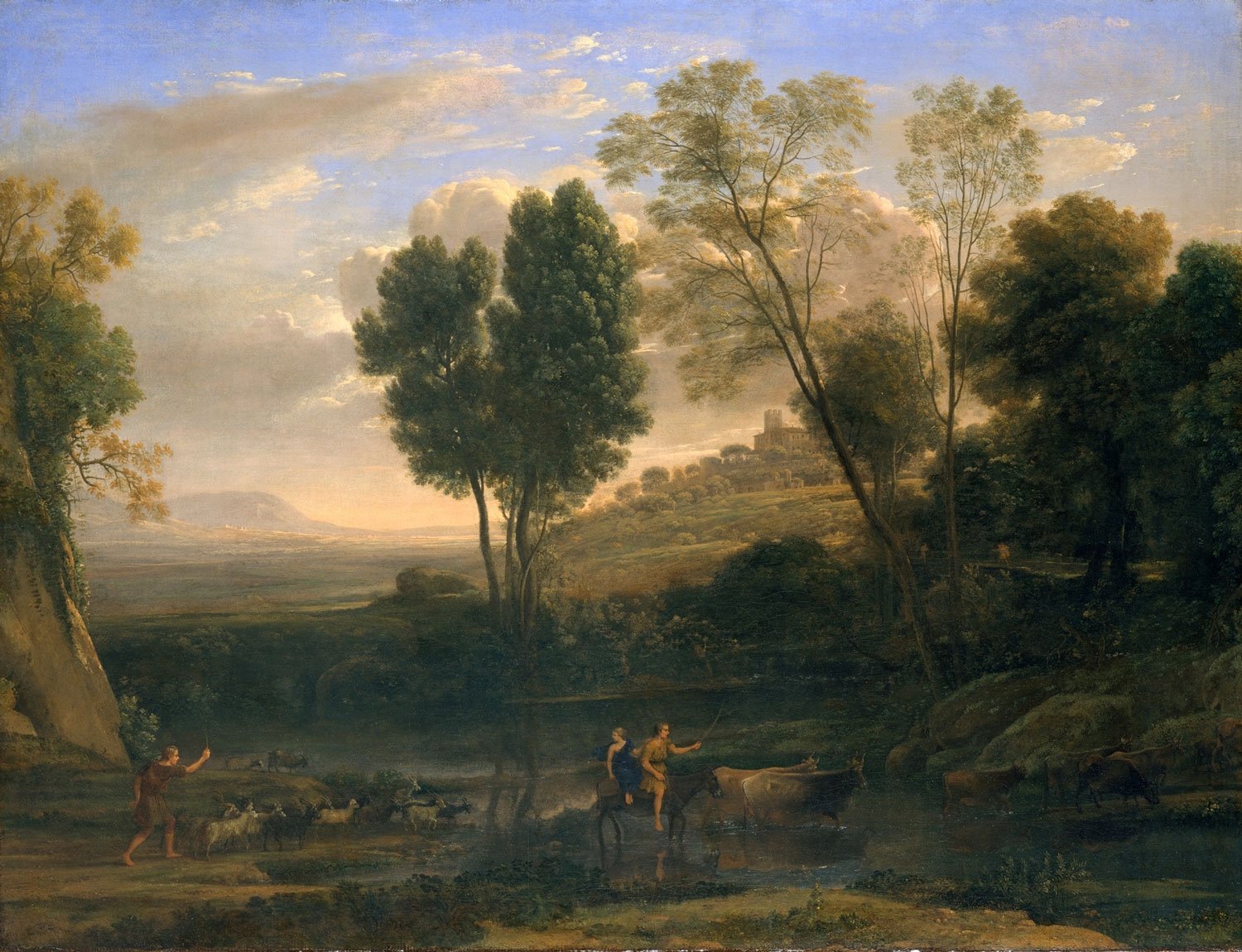
The pastoral tradition is essential if someone wants to understand, for instance, European painting of the 17th century—Claude Lorrain, Nicolas Poussin, and many others—or European music, opera, gardens, ballet—you name it. Once you start this way, one thing leads almost automatically to another: from pastoral to nature and gardens, from gardens to plants, from plants to mythology, and so on.
I would add to this the fact of having been trained as a comparatist. Comparative Literature may be difficult to define, and perhaps it lacks the coherence of, let’s say, English or Italian literature. Its great advantage, however, is its extreme sense of liberty: you can combine authors, texts, and motifs in a diachronic or synchronic way; you can jump from literature to art history, you can include philosophy and even the discourse of the hard sciences, etc. This probably explains why I like to work in parallel on several articles, books, films, and exhibitions. Each new point of view allows you to see the subject you are focusing on in a different light. Things you thought you knew very well suddenly appear in a distinct and surprising new light.
Take, for example, the exhibition I curated in 2023–2024 for the Accademia dei Lincei in Rome and the Morgan Library in New York, a show called Rara Herbaria in Italy and Seeds of Knowledge in the US. It was about 15th–16th-century herbals—basically books of medicine, since medicine from the Greeks to the Middle Ages was plant-based. These “gardens of health” (horti sanitatis) described plants and their uses. At the same time, the fact that they contained illustrations helped to establish a set of rules (these books were published not even twenty years after Gutenberg) concerning the combined use of text and image on the same page.
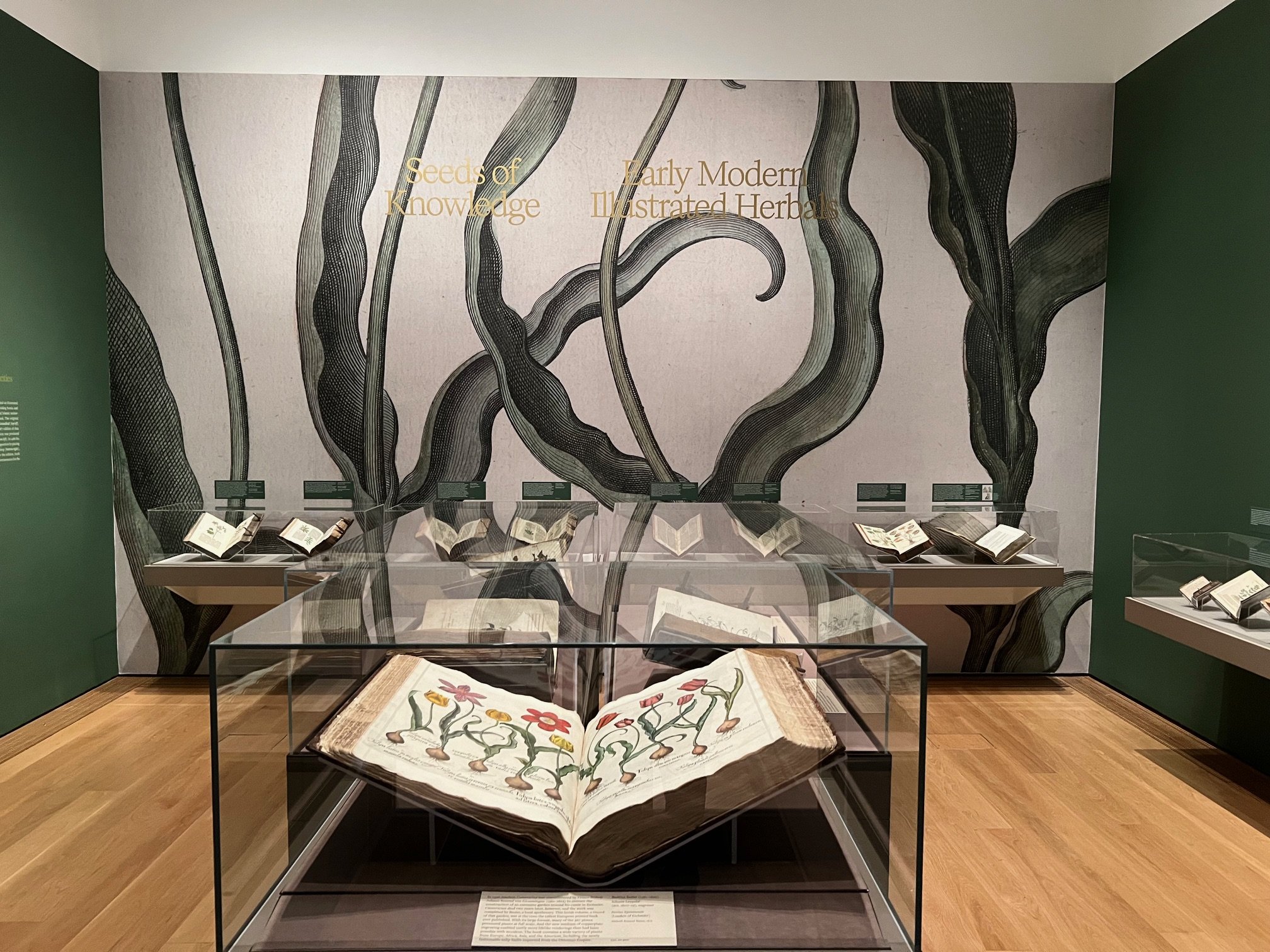
With these objects, the early production of books comes to light. The young guys who opened their printing shops—their startups—around 1470–1490 asked themselves: how can we make money besides producing the Bible? They knew that physicians and pharmacists had the means to buy books, a luxury product at that time. That’s why, already in the 1470s, they began publishing both large volumes and small-format books with plant descriptions and illustrations, leaving wide margins for notes.
The single domain of herbals is related to plants, to what would become a little later—thanks to these publications—botany, medicine, knowledge transfer, the history of illustration, printing, economics, etc. At first, I thought: these are beautiful images, but do I have enough time to memorize all these species? By working on this project, I realized how complex and fascinating it really was. The human sciences offer endless possibilities for discovery.
It’s rhizomatic, the way so many worlds come together in one project. Like the design process of landscape architecture?
Exactly. Relevant projects always have to do with extreme complexity. Numerous possibilities come to mind; you open doors and windows you never thought about before. There is, by the way, an extreme joy and beauty in dérive—in the freedom to wander around and make discoveries. To be lost in complexity at the beginning of a research is perfect. I like to tell my students never to be afraid of creating a state of extreme disorder, of creative chaos. It is only in the next step that the chaotic overflow has to be mastered and cut down in order to generate something organized.
For me, working on an exhibition or on a book is almost the same. Both are forms of exhibiting yourself, of showing who you are, and both require a sense of responsibility. In both cases, it is essential to formulate a question or a problem. Nothing is more deceptive than a publication or an exhibition without a central thesis—or a series of theses.
Some time ago, I published a book on benches in the garden (translated into four languages). Another author quite brutally attacked me, saying that I had stolen his topic. But what he had done was, in fact, a catalogue of benches—mostly benches he said he “loved.” In my essay, by contrast, my own opinions or taste were irrelevant. I tried instead to identify and formulate a problem: why do certain benches function as sophisticated scopic devices, and what does this mean for their use? My personal opinion is of no importance to the reader.
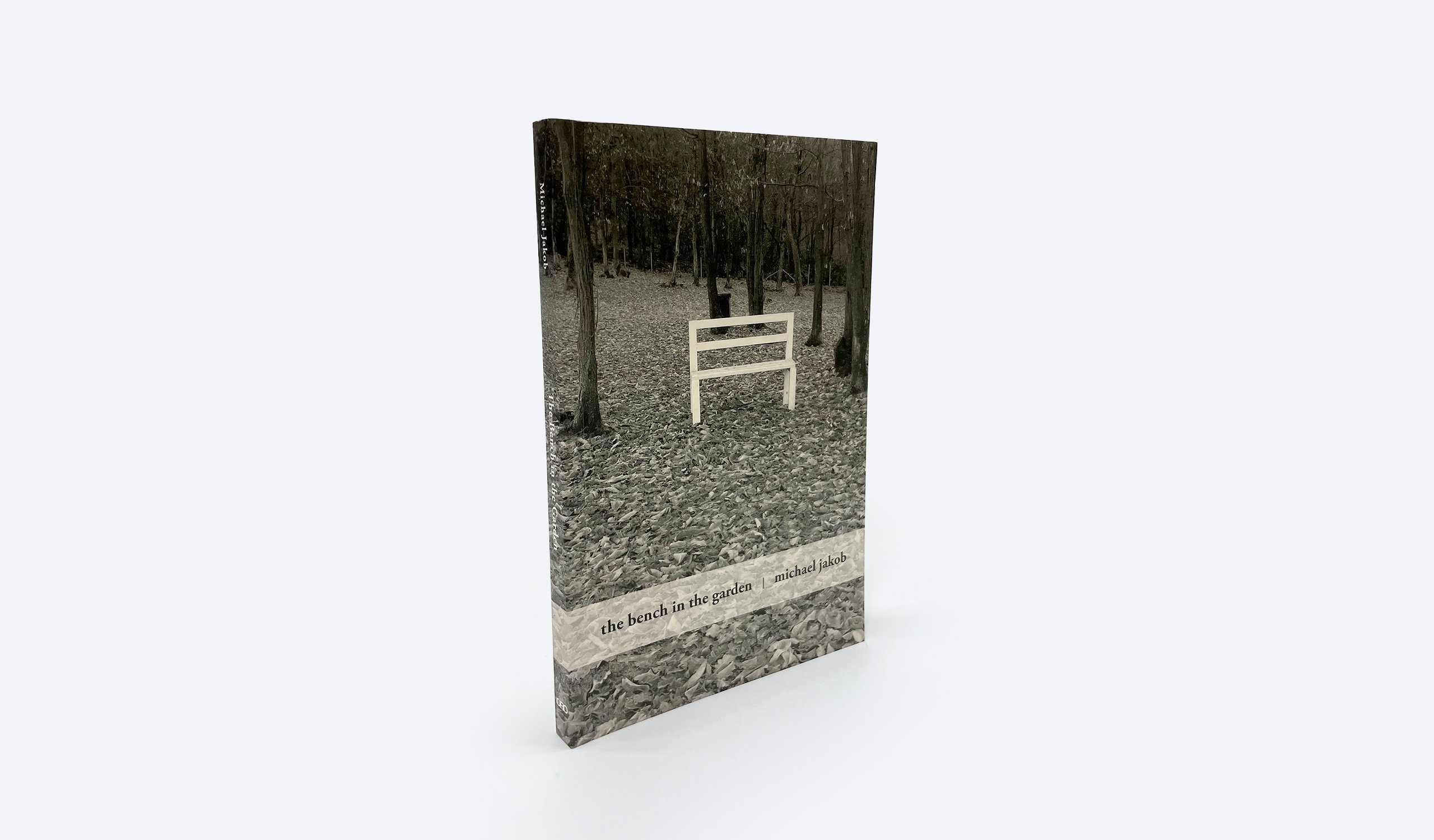
I tried to inquire into the use of the bench as an optical machine—a machine tied to the control of the subject. I began with a famous bench in an 18th-century picturesque garden: the stone bench in front of Jean-Jacques Rousseau’s tomb. Rousseau was one of the first global celebrities, and once he died, people came to Ermenonville to “speak” with him, to project their own ideas onto him, since they considered him to be a sort of heroic incarnation of Nature itself.
Starting from there, I asked: why are benches so important in picturesque gardens? I called the phenomenon “television”—you look at something far away that you cannot touch; your contact is purely visual, yet despite the physical distance, the object in front of you generates a strong emotional relation.
In another book, Faux Mountains, I similarly tried to examine the meaning of a series of sublime objects that are normally described only in technical terms. Again, I was not interested in mapping all the artificial mountains of the world; I intended instead to follow a line in order to formulate relevant questions.
Tell us more about the Faux Mountains project.
It begins in the 15th century. In Europe, the most important princely gardens—enormous, expensive, complex works of art—included artificial mountains. Sometimes these constructions were 20 or 40 meters high, which was already a serious structural challenge. The logical question was: “what about this crazy expense of energy, workforce, and money?”
A series of paradigmatic mountains made it possible to tell a story based on the difference and identity of these manmade objects.
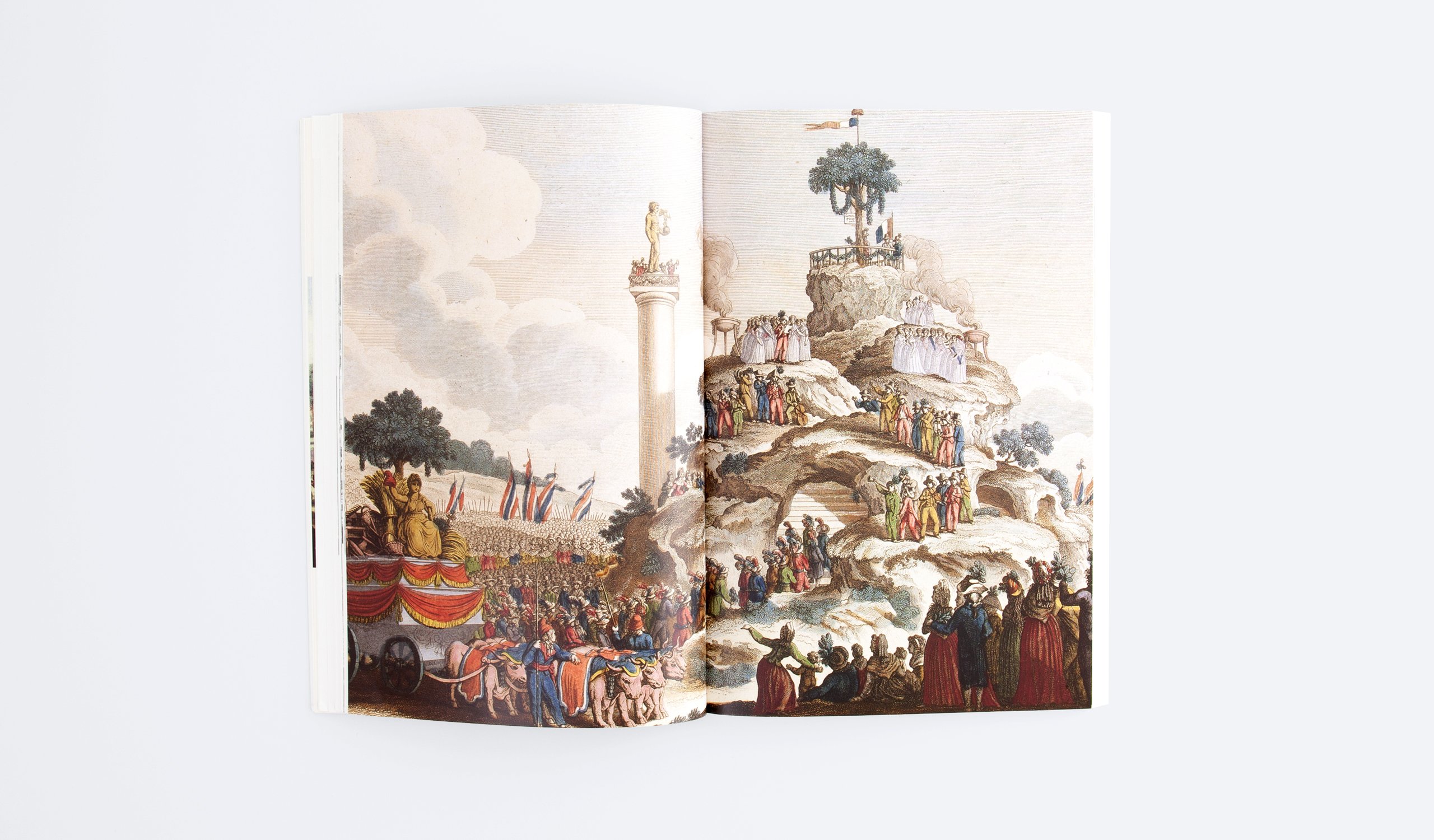
An essential element in the development of the book was the concept of the symbol. The word comes, as we know, from the Greek sym-ballein—to throw together. A symbol is an accumulation and an implosion—things thrown together. Artificial mountains are symbols because they pile things up. But to pile up, you must extract material. This means that besides the positive, visible mountain, there is always a negative mountain—a hole—because in order to build, you have to extract. The relation between these two aspects or faces of the phenomenon is fascinating. Think of Robert Smithson, for instance, who was drawn to heaps, strata, material piled up, and at the same time to their (often forgotten) negative other—the places where we look for the material for our constructions.
At a certain moment, I even wanted to make a film for TV about mountains of trash. Paul Auster agreed to be my guide—my “Virgil,” if you want—at Fresh Kills. I also had the approval of an Egyptian filmmaker willing to explore the manmade mountains in Cairo near the City of the Dead. I would have added to this the region of Naples, where an incredible amount of toxic waste disappeared underground.
I spoke to a lot of people in the TV business, but all of them told me: “Garbage is of no interest, and it is disgusting”. One of them asked me: Why don’t you rather make a film with Pavarotti? I told them there were a hundred people out there to make an interview with Pavarotti—and that’s how it ended. Happily, the book came out. My research also gave me the opportunity to publish a special issue on landscape and energy with 2G.
What do you currently work on?
I normally try to work in parallel on one major project and, at the same time, on some smaller ones. Two years ago, I published a book called Leçons de vertige (“Vertigo Lessons”). It was again about sight—about seeing the world from above, from a high point of view, a theme tied to the discovery of landscape and to Petrarch, among many others. The hypothesis was that such a way of looking at the world is not natural; it is a statement and an achievement. We humans had to learn how to resist the impact of the world, and when it happened, it changed our relation to it forever. Our desire to occupy the highest places possible is still with us—think of comics: Superman, Wonder Woman, all the superheroes flying around and controlling what happens below.
The second volume, which I am working on now, is on what they call di sotto in su in Italian—looking upward from below. It is fundamentally about architecture as a machine for creating a sense of vertigo.
The first book was about vertigo and how to resist it: the situation when you climb a mountain and your body reels. The second volume will follow a reverse logic: how architecture deliberately induces vertigo. Take the Gothic cathedral—it is an incredibly sophisticated machine built in order to humiliate us, to crush us, we who are only dust. You are dust, you are nothing; God is everything. You enter the cathedrals of Amiens or Beauvais—more than 100 meters high—and you are sucked into transcendence. The Baroque churches in Rome, Andrea Pozzo’s astonishing ceiling illusions—they were all conceived to create vertigo. Piranesi follows the same logic, only his visions are much darker, and the elevation toward the upper zone is impossible.
Besides the vertigo book, there is a small project I have carried with me for twenty years or so. I have in mind a book on “electrical gardens.” I already published a succinct version of it on doppiozero.com.
When hydroelectricity became important—especially in Italy, one of the pioneering countries between 1900 and 1930—some incredibly complex hydroelectric plants were built, constructions where the investment for aesthetic reasons was as significant as the economic cost. Many of these monuments survive today, since they were solidly built. In some cases, these state-of-the-art plants contained gardens, which at first sight seems complete nonsense. Why bother designing, building, and maintaining a garden in a remote Alpine valley—a garden almost never visited by anyone?
While building a garden for a hydroelectric power plant makes no sense, following another logic it is entirely coherent. What actually happened is that the new industrial architecture of power plants imitated the grand buildings of the aristocratic past—the châteaux, the manor houses, and so on. These constructions traditionally had generous gardens, and that’s what the new industrialists wanted to evoke: by creating gardens for nothing, they behaved like the princes and kings of the past—or better, they proclaimed themselves the princes of electricity.
The people who invested in these new industries made a political statement using the grammar and vocabulary of architecture. Piero Portaluppi, a genius of architecture, was one of the pioneers of this trend. Just twenty-four years old and with a fresh diploma from Milan Politecnico in his hand, he began designing formidable power plants for his father-in-law’s company. He designed, among others, six power plants in northern Italy, in Val Formazza, and four of them had incredibly elaborate gardens. Some still survive today in good shape, others not.
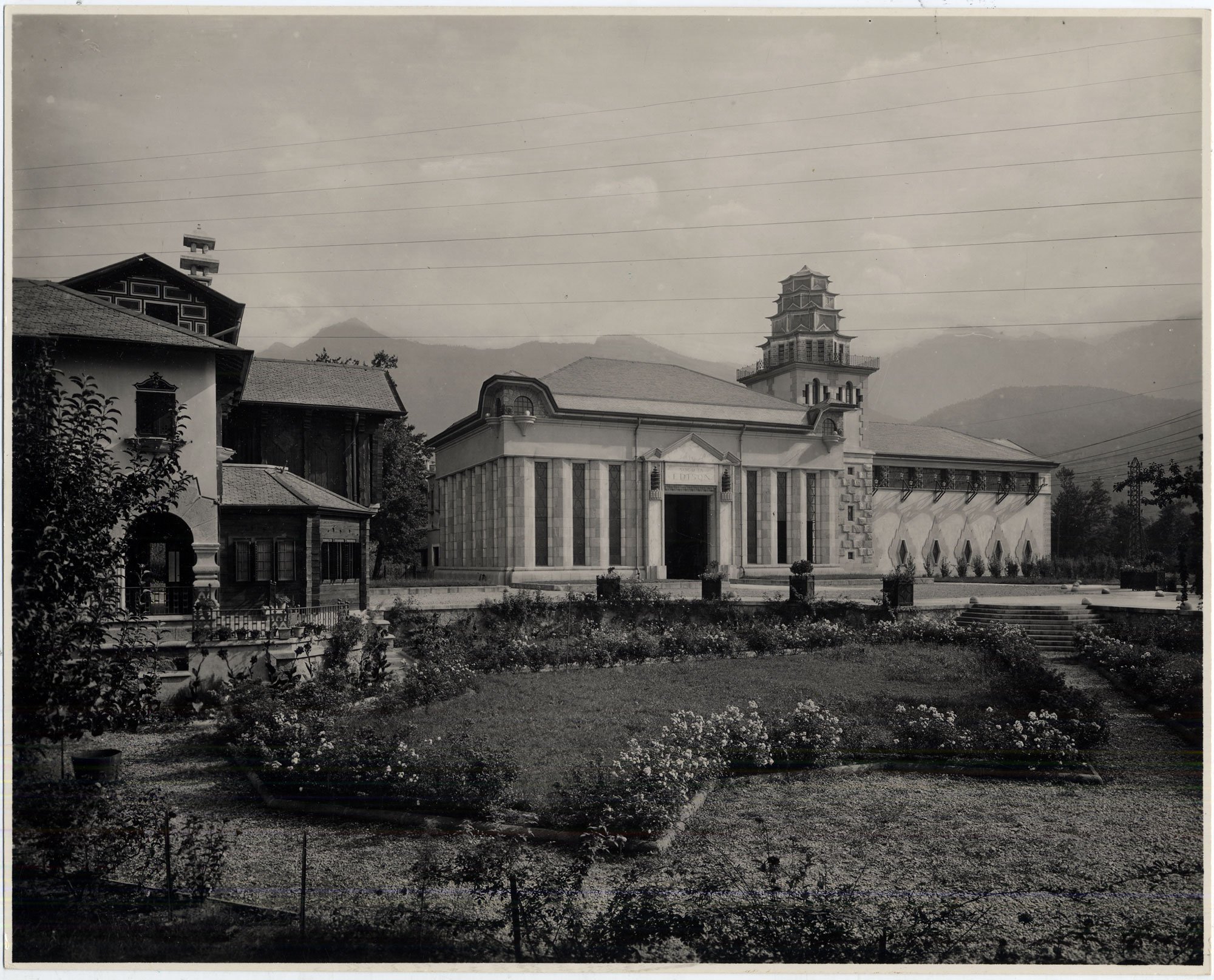
Again, what I am interested in is a specific problem: why are industrial plants, built according to an economic logic, marked by a series of ornaments, of addenda—and among these, generous gardens? Why build something that seems senseless?
These power plants had to look like castles, like churches—architectural objects that suggested safety, power, and control—because the energy systems of that time were unsafe. They promised durability, even eternity, the idea that electricity would flow forever. The gardens reinforced this gesture. They looked like majestic objects, but, marked by hyperbole, they told another story at the same time.
Topics in this article
Art — Books — History — Landscape Architecture — Michael Jakob — Perception — Picturesque — W. J. T. Mitchell — Zaš Brezar —Search other topics: