Mexican landscape architect Mario Schjetnan and his office Grupo de Diseño Urbano (GDU) are the recipients of the 2025 Cornelia Hahn Oberlander International Landscape Architecture Prize. The award, administered by The Cultural Landscape Foundation (TCLF), is a prestigious prize dedicated exclusively to landscape architecture. It is given biennially to a living practitioner whose work demonstrates exceptional talent, vision, and impact. The prize includes a $100,000 award and a series of public engagement programs. Schjetnan follows Julie Bargmann (2021) and Kongjian Yu (2023) as the third laureate.
The 2025 jury included Claire Agre (chair), Arthur Adeya, Kirsten Bauer (ASPECT Studios), Ellen Braae, Margarita Jover (aldayjover), Sameep Padora, and Dorothy Tang. Oberlander Prize Curator Professor Elizabeth Mossop is Dean of the University of Technology Sydney (UTS) School of Design, Architecture and Building in Australia
In its citation, the jury highlighted GDU as “a strong voice for social engagement and environmental justice in tandem with the art of landscape architecture,” emphasizing the office’s role in addressing rapid urbanization and access to open space as a fundamental right.
Mario Schjetnan has played a central role in shaping landscape architecture in Latin America for over five decades. Based in Mexico City, his work frames landscape as essential urban infrastructure, linking environmental systems, cultural memory, and the right to public space. He studied architecture at UNAM and earned a Master’s in Landscape Architecture from UC Berkeley in 1970, influenced by Lawrence Halprin and Mexican modernists such as Luis Barragán and Max Cetto.
“We have a human right to open space.”
— Mario Schjetnan
Early in his career, as head of urban and housing design at INFONAVIT, Schjetnan worked in more than 100 cities across Mexico. This period, which he describes as a “post-doc in Mexico,” shaped his understanding of the country’s cultural and ecological diversity and the role of public space in rapidly growing urban contexts. Schjetnan received the Sir Geoffrey Jellicoe Award in 2015.
Grupo de Diseño Urbano
Schjetnan founded Grupo de Diseño Urbano in 1977 with José Luis Pérez. Since then, GDU has built a wide-ranging body of work across Mexico and internationally.
Their portfolio includes rehabilitation of historic parks, post-industrial landscape transformations, and large-scale urban open spaces. A recurring principle in Schjetnan’s approach is clear: “If you want to develop a site or a new area, you have to start with a park.
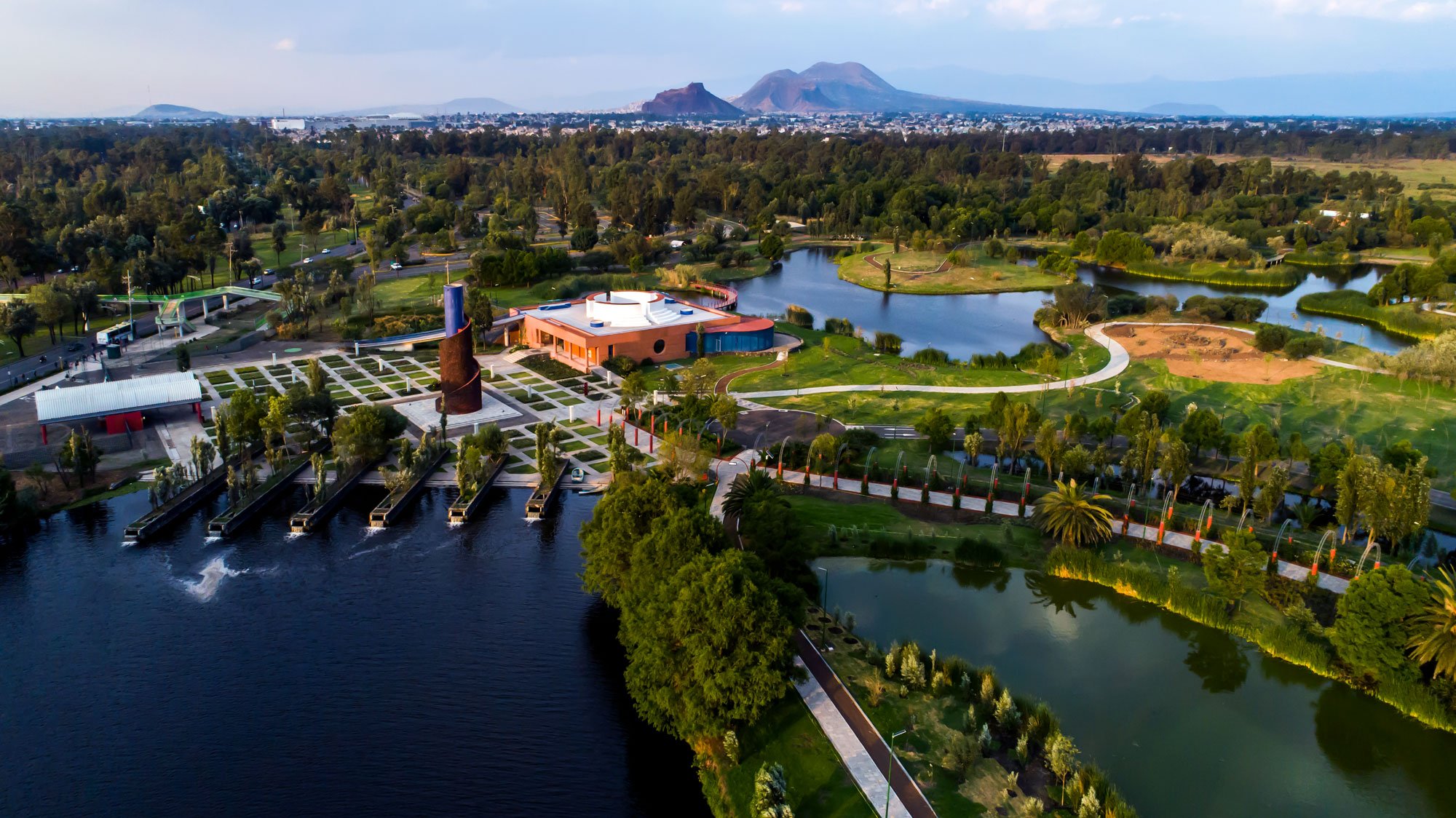
Xochimilco Ecological Park, Mexico City, Mexico. Photo by Francisco Gomez Sosa courtesy Grupo de Diseño Urbano and The Cultural Landscape Foundation
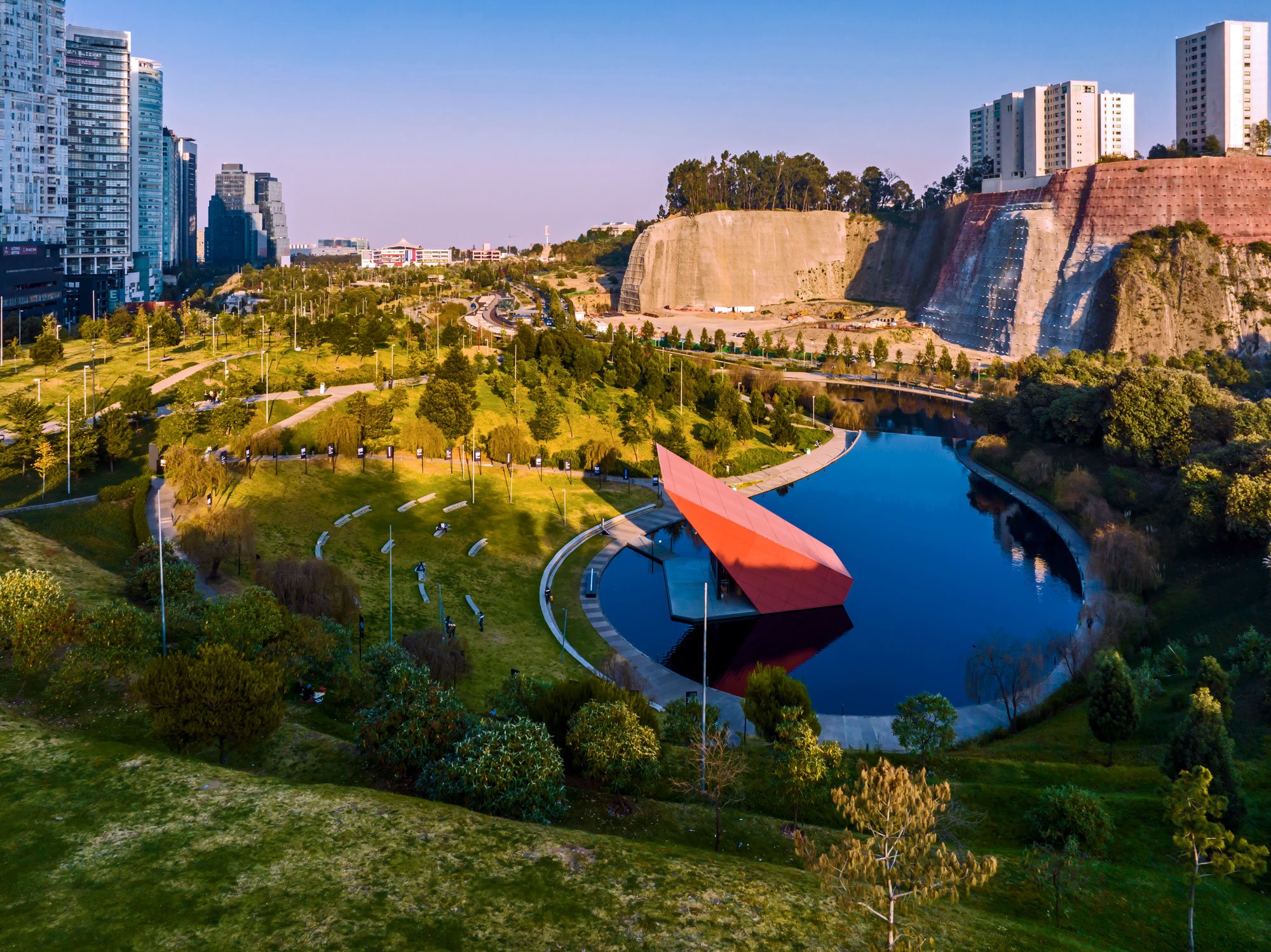
La Mexicana Park, Mexico City, Mexico. Photo by Francisco Gomez Sosa courtesy Grupo de Diseño Urbano and The Cultural Landscape Foundation
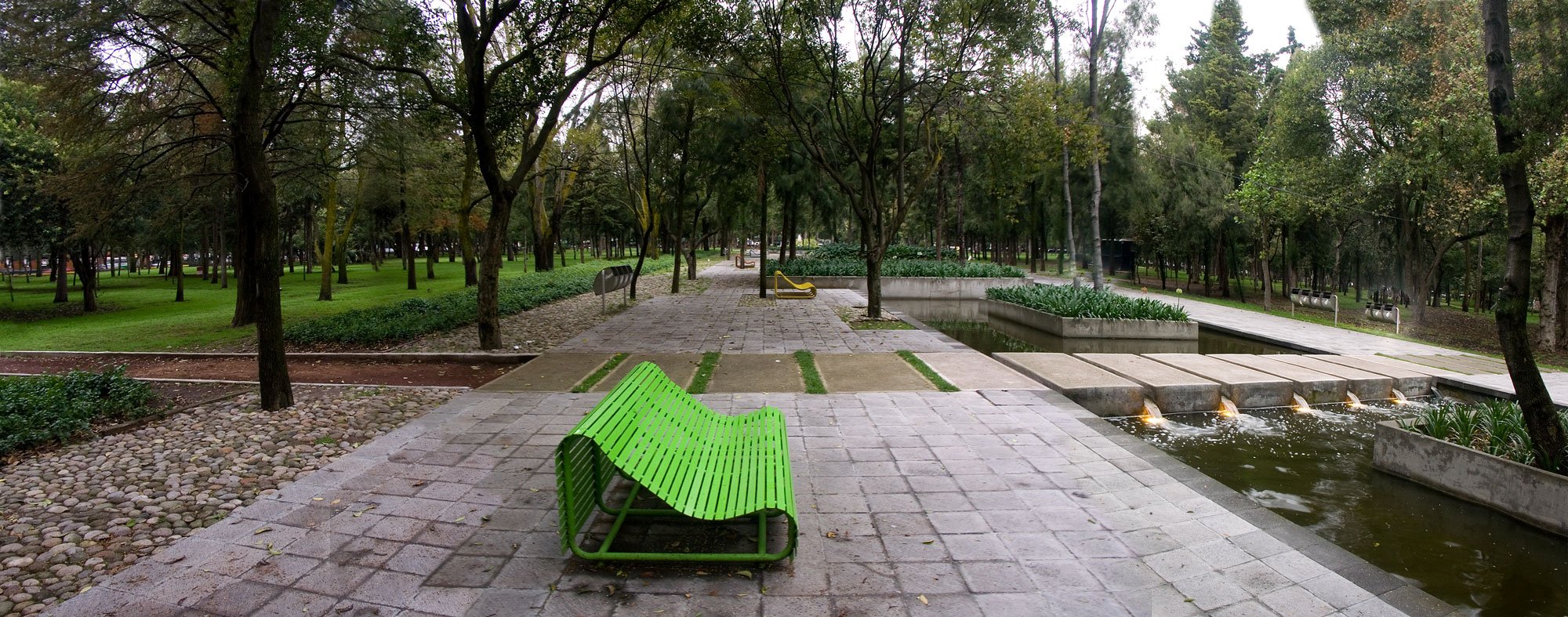
Chapultepec Forest and Park, Mexico City, Mexico. Photo by Carlos Hahn courtesy Grupo de Diseño Urbano and The Cultural Landscape Foundation
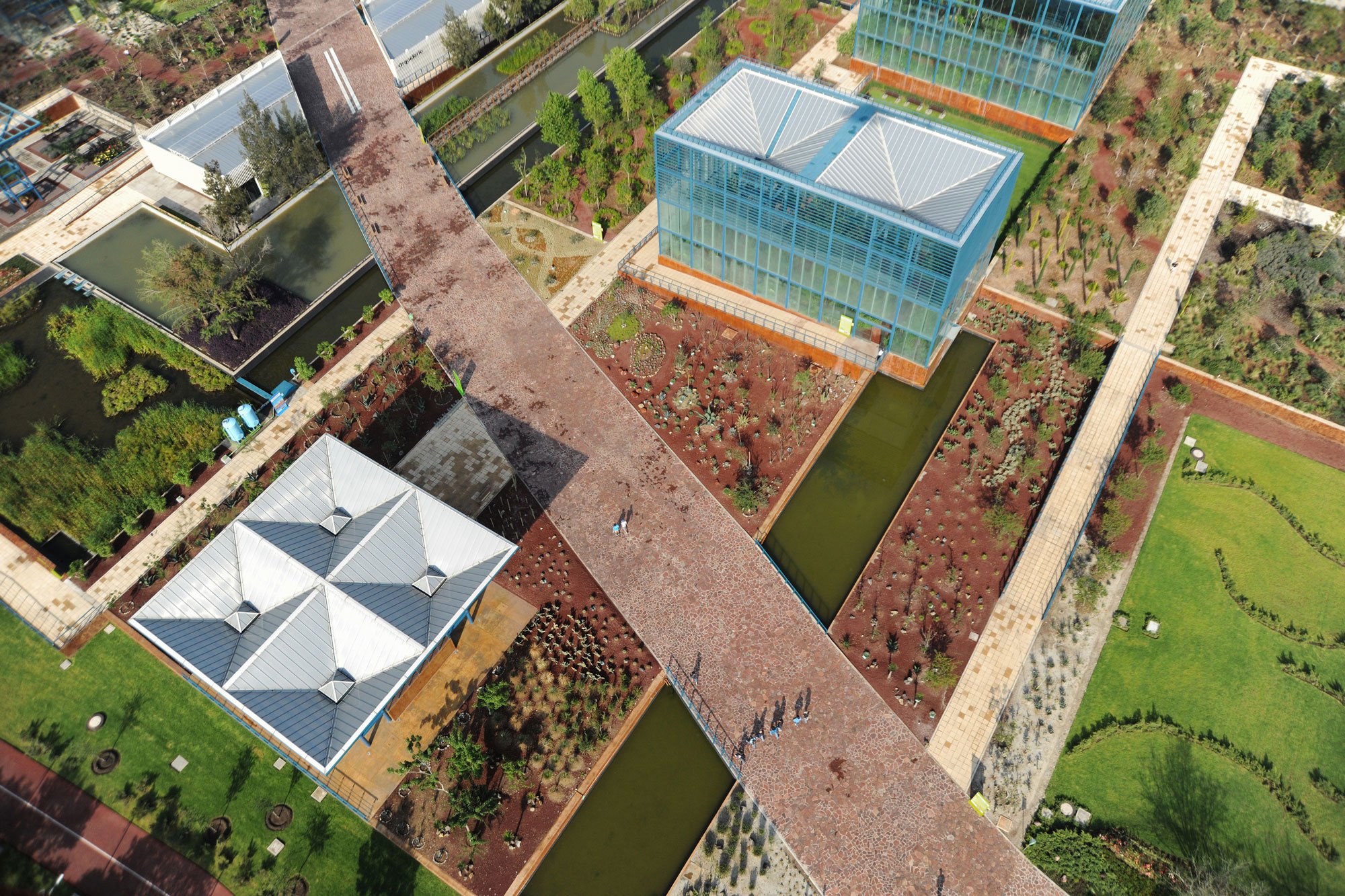
Bicentennial Park Nature Garden, Mexico City, Mexico. Photo by Sergio Medellín courtesy Grupo de Diseño Urbano and The Cultural Landscape Foundation
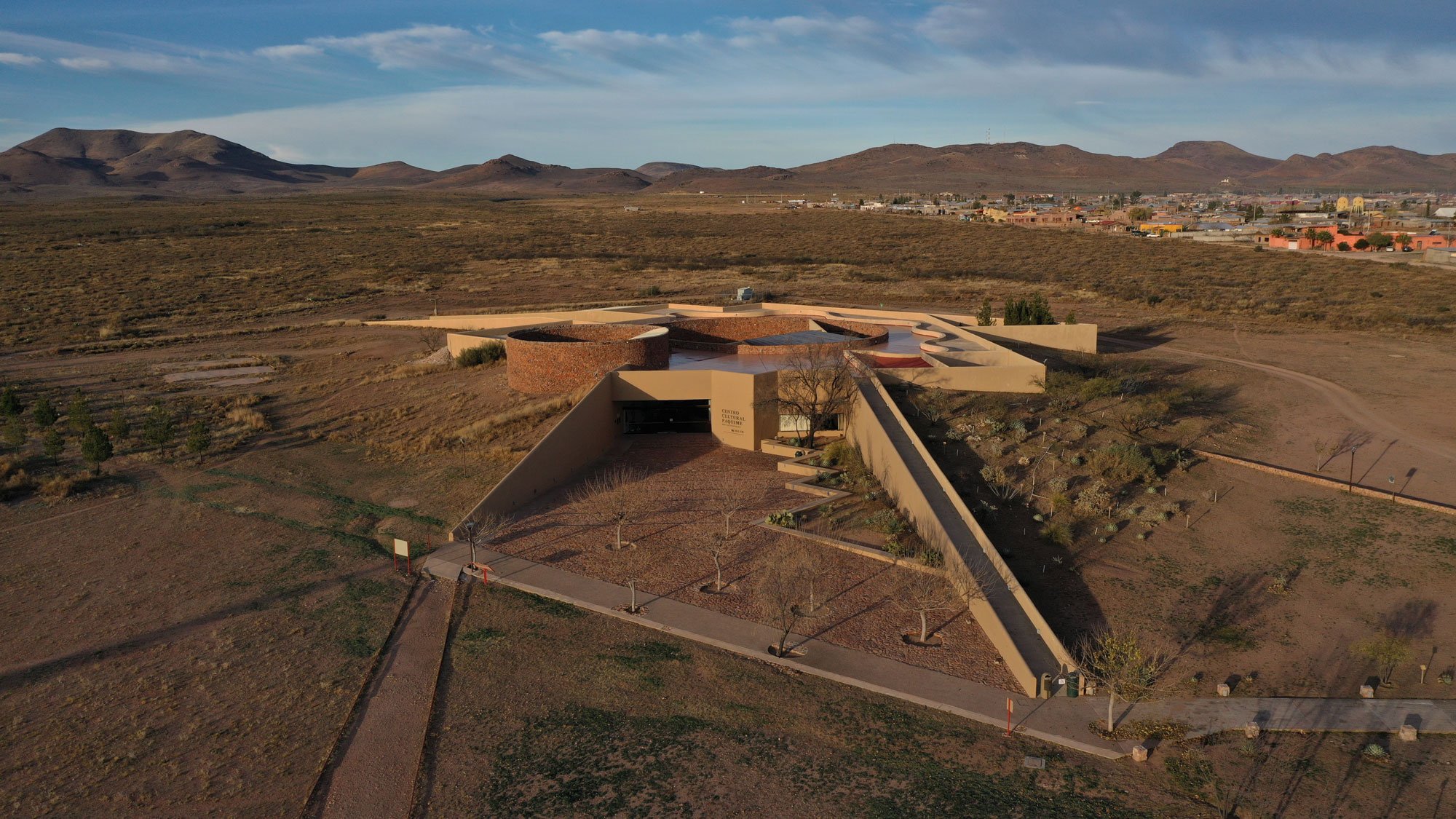
Museum of the Nothern Cultures, PAQUIMÉ – Casas Grandes, Chihuahua, photo Fernando Barragan
Alongside practice, Schjetnan has taught at Harvard, Berkeley, University of Arizona, UNAM, and other institutions. He is a member of the Mexican Academy of Arts, an emeritus member of the National Academy of Architecture, a Fellow of ASLA, and a founding member of the Mexican Society of Landscape Architects.
Landezine team congratulates Mario Schjetnan and his office, Grupo de Diseño Urbano!
To provide the best experiences, we use technologies like cookies to store and/or access device information. Consenting to these technologies will allow us to process data such as browsing behavior or unique IDs on this site. Not consenting or withdrawing consent, may adversely affect certain features and functions.
Functional Always active
The technical storage or access is strictly necessary for the legitimate purpose of enabling the use of a specific service explicitly requested by the subscriber or user, or for the sole purpose of carrying out the transmission of a communication over an electronic communications network.
Preferences
The technical storage or access is necessary for the legitimate purpose of storing preferences that are not requested by the subscriber or user.
Statistics
The technical storage or access that is used exclusively for statistical purposes.The technical storage or access that is used exclusively for anonymous statistical purposes. Without a subpoena, voluntary compliance on the part of your Internet Service Provider, or additional records from a third party, information stored or retrieved for this purpose alone cannot usually be used to identify you.
Marketing
The technical storage or access is required to create user profiles to send advertising, or to track the user on a website or across several websites for similar marketing purposes.
To provide the best experiences, we use technologies like cookies to store and/or access device information. Consenting to these technologies will allow us to process data such as browsing behavior or unique IDs on this site. Not consenting or withdrawing consent, may adversely affect certain features and functions.
Functional Always active
The technical storage or access is strictly necessary for the legitimate purpose of enabling the use of a specific service explicitly requested by the subscriber or user, or for the sole purpose of carrying out the transmission of a communication over an electronic communications network.
Preferences
The technical storage or access is necessary for the legitimate purpose of storing preferences that are not requested by the subscriber or user.
Statistics
The technical storage or access that is used exclusively for statistical purposes.The technical storage or access that is used exclusively for anonymous statistical purposes. Without a subpoena, voluntary compliance on the part of your Internet Service Provider, or additional records from a third party, information stored or retrieved for this purpose alone cannot usually be used to identify you.
Marketing
The technical storage or access is required to create user profiles to send advertising, or to track the user on a website or across several websites for similar marketing purposes.