In early October, the World Business Council for Sustainable Development (WBCSD) held an annual Climate Week New York City, where they addressed “the urgency to align climate, nature, and finance agendas”. WBCSD is a “global network of 250+ leading companies driving sustainability as a key driver of competitiveness”, including Apple, Amazon, Alibaba, Autodesk, Bayer, Bentley, Unilever, and others. The Climate Week
At its core, WBCSD is an advisory platform that helps businesses to “integrate climate action into their strategies”, reaching “a Net Zero and climate-resilient future”. To align their businesses with climate action goals, in turn, also means investing and restructuring their investments into low-carbon ammonia fertilisers instead of grey ammonia, for example, in scope, in greener technologies and supply chains across sectors. In its Barometer 2025 for Buildings, the demand for low-carbon buildings creates such a demand, the industry fails to follow, depleting supplies. Demand, however, is created in mature markets, and for prime commercial buildings in key cities, driven by policymakers and national strategies to combat heat and floods with resilient buildings.
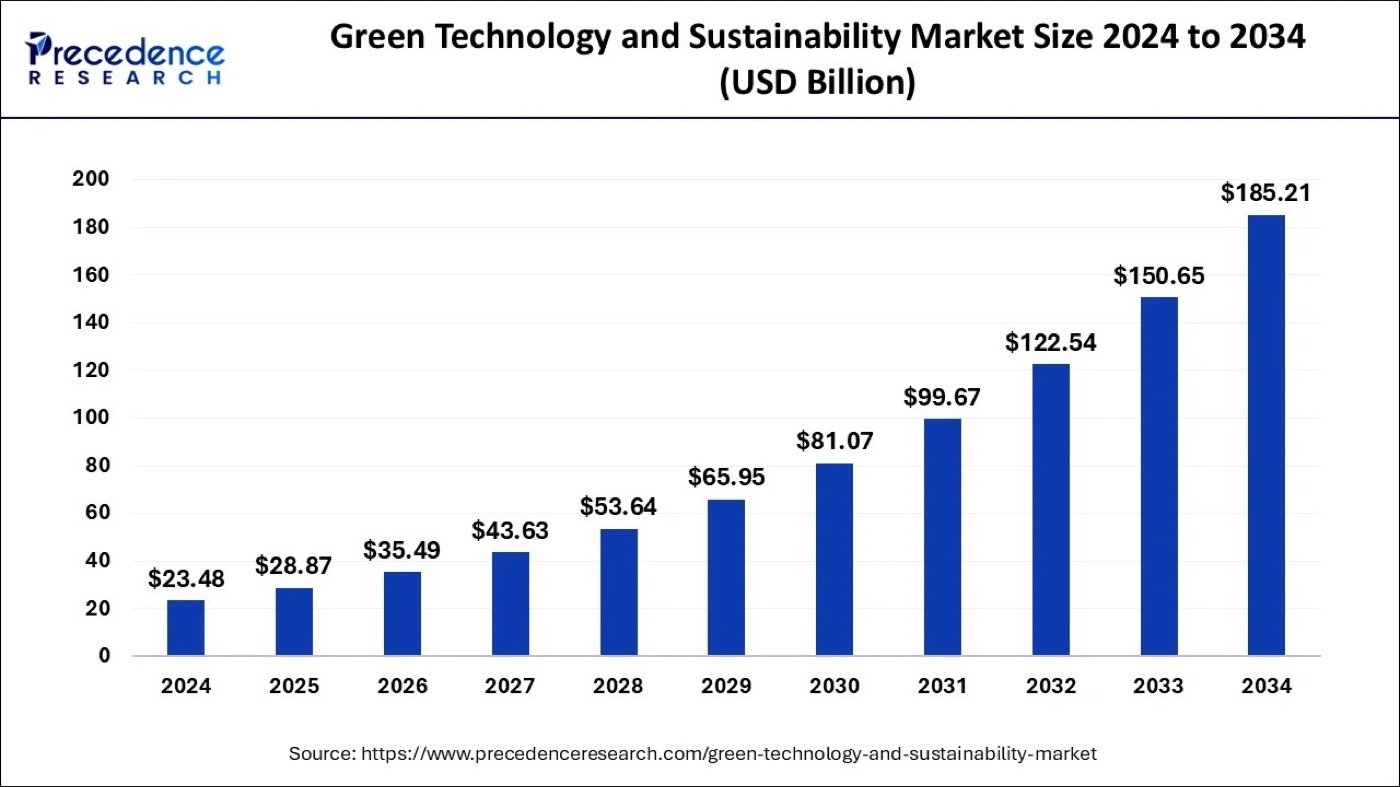
If a business has stranded assets due to investment in a high-emission market, investing in green assets like forests, water and land, solar technologies, and issuing green bonds and loans, is a choice for the future. The market for green assets is growing fast.
By investing in natural assets like forests that sequester carbon, for example, business can monetise their assets, generating carbon credits. One carbon credit represents the removal or avoidance of one metric ton of carbon dioxide from the atmosphere. One hectare of a ten-year-old forest can produce as many as 24 credits per year. No service is free. The market creates commodified environments.
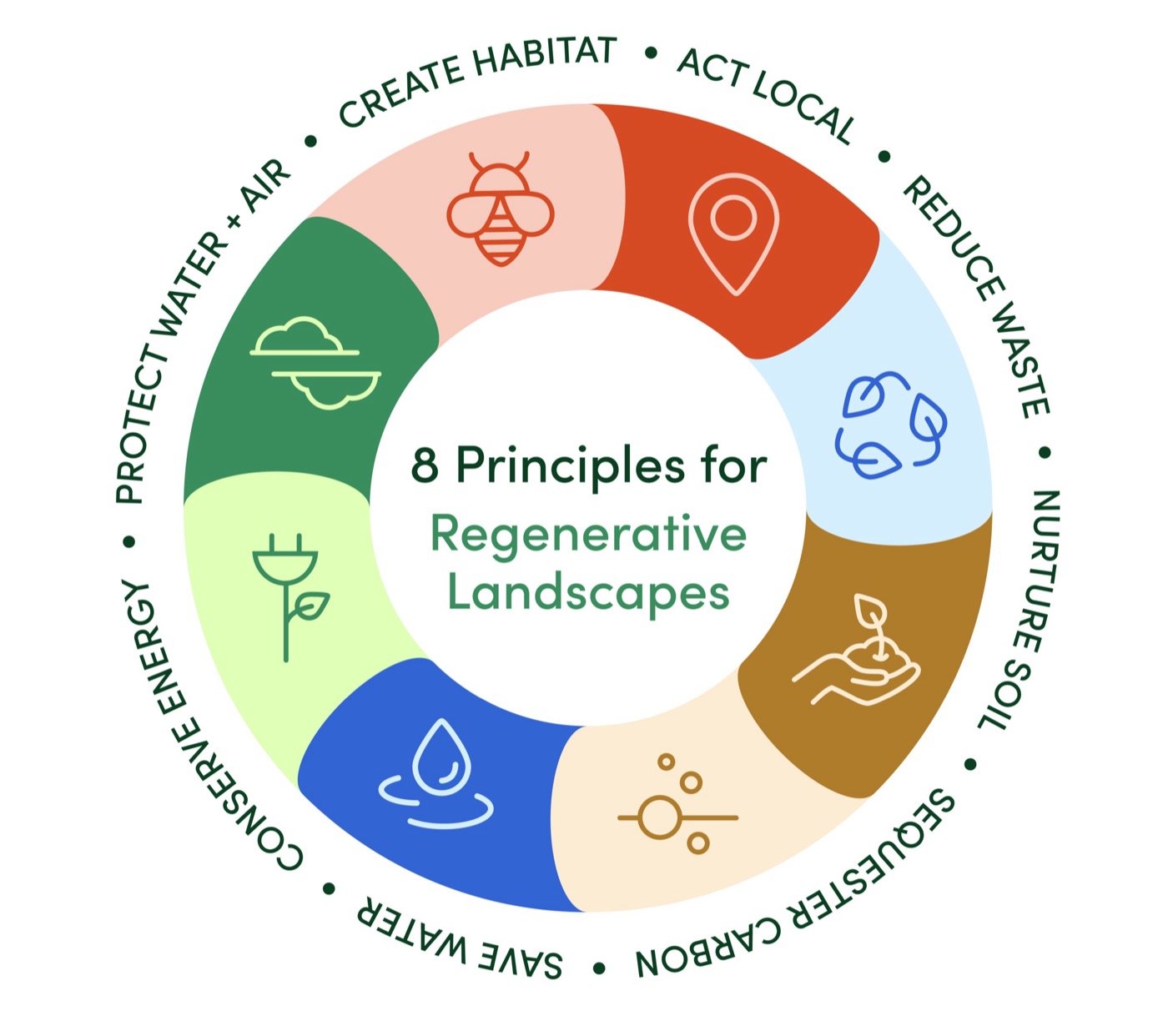
The WBCSD Climate Week, themed Scaling Regenerative Landscapes, shows that regeneration is framed as an economic imperative rather than an ecological or social one. Resilient climate is tied to resilient economies, and regenerative landscapes are its assets. WBCSD frames the expected COP30, the UN Climate Change Conference in Belém, Brazil, as the decisive moment when regenerative landscapes must shift from rhetoric to delivery—embedded in national policies, corporate strategies, and investment flows. It calls for aligning governments, finance, and industry to channel billions into restoration and deforestation-free supply chains. In this framing, landscapes cease to be living territories and become investment instruments—sites where ecological repair serves first and foremost the reproduction of capital.
How landscape architects usually think about regenerative landscapes is shown in a graph below. We rarely think of creating landscapes as a business asset.
To provide the best experiences, we use technologies like cookies to store and/or access device information. Consenting to these technologies will allow us to process data such as browsing behavior or unique IDs on this site. Not consenting or withdrawing consent, may adversely affect certain features and functions.
Functional Always active
The technical storage or access is strictly necessary for the legitimate purpose of enabling the use of a specific service explicitly requested by the subscriber or user, or for the sole purpose of carrying out the transmission of a communication over an electronic communications network.
Preferences
The technical storage or access is necessary for the legitimate purpose of storing preferences that are not requested by the subscriber or user.
Statistics
The technical storage or access that is used exclusively for statistical purposes.The technical storage or access that is used exclusively for anonymous statistical purposes. Without a subpoena, voluntary compliance on the part of your Internet Service Provider, or additional records from a third party, information stored or retrieved for this purpose alone cannot usually be used to identify you.
Marketing
The technical storage or access is required to create user profiles to send advertising, or to track the user on a website or across several websites for similar marketing purposes.
To provide the best experiences, we use technologies like cookies to store and/or access device information. Consenting to these technologies will allow us to process data such as browsing behavior or unique IDs on this site. Not consenting or withdrawing consent, may adversely affect certain features and functions.
Functional Always active
The technical storage or access is strictly necessary for the legitimate purpose of enabling the use of a specific service explicitly requested by the subscriber or user, or for the sole purpose of carrying out the transmission of a communication over an electronic communications network.
Preferences
The technical storage or access is necessary for the legitimate purpose of storing preferences that are not requested by the subscriber or user.
Statistics
The technical storage or access that is used exclusively for statistical purposes.The technical storage or access that is used exclusively for anonymous statistical purposes. Without a subpoena, voluntary compliance on the part of your Internet Service Provider, or additional records from a third party, information stored or retrieved for this purpose alone cannot usually be used to identify you.
Marketing
The technical storage or access is required to create user profiles to send advertising, or to track the user on a website or across several websites for similar marketing purposes.